Risk Management
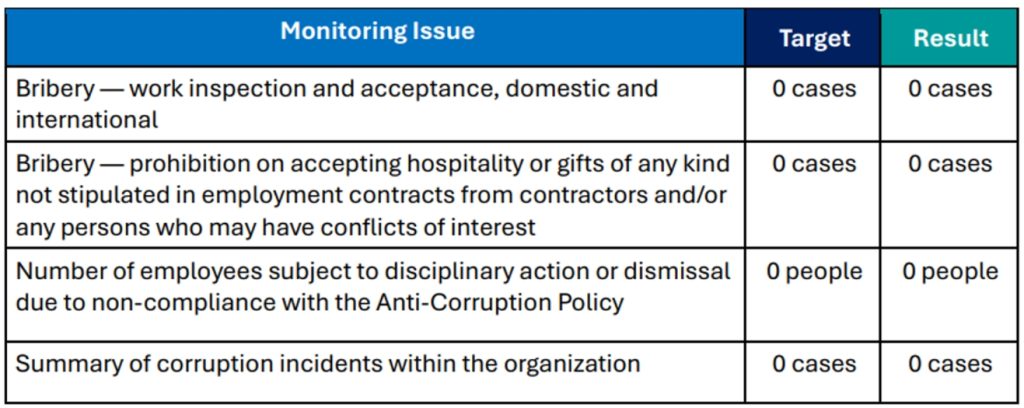
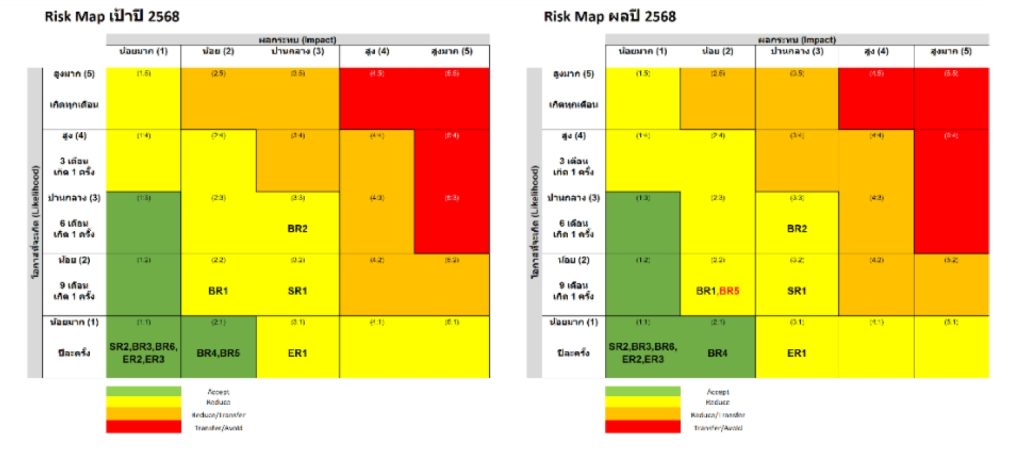
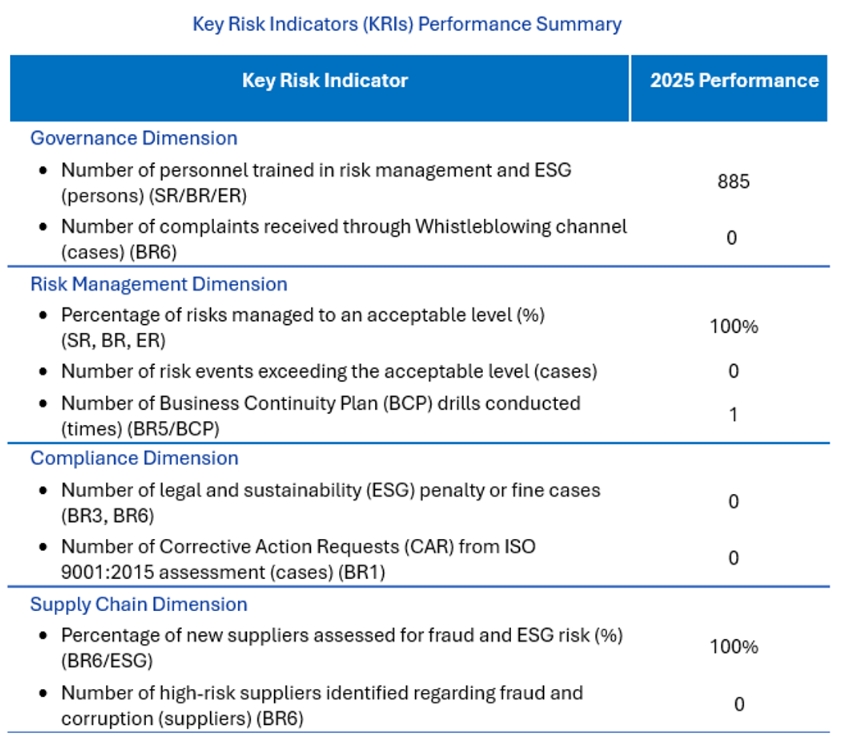
The Company has enhanced its risk management and corporate governance framework in alignment with international standards, specifically the COSO ERM 2017 framework and the guidelines set forth by the Stock Exchange of Thailand (SET). To ensure comprehensive oversight across strategic, operational, financial, legal, and sustainability dimensions, we have established an independent Risk Management Committee. This committee is responsible for defining risk appetite and conducting continuous quarterly risk assessments. The Company has integrated a robust Business Continuity Management (BCM) framework, encompassing both Emergency Response Plans (ERP) and Business Continuity Plans (BCP), which undergo regular annual reviews and drills. Furthermore, we prioritize the management of emerging risks linked to sustainability, such as cyber threats and climate change, aiming to transform these challenges into opportunities for growth. To foster stakeholder confidence and reflect our commitment to world-class corporate governance, we have implemented independent reporting and verification mechanisms—both internal and external—while strictly adhering to international reporting standards, including GRI, SASB, and TCFD. These efforts align with the criteria of the FTSE Russell index, demonstrating our dedication to excellence in corporate governance.
Sustainable Procurement
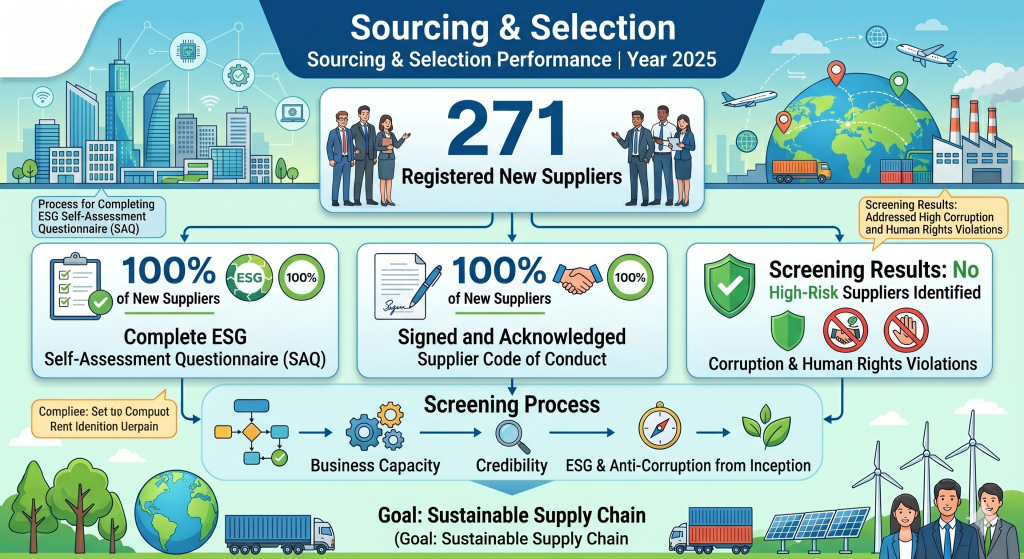
The company is committed to sustainable supply chain management by fully integrating Environmental, Social, and Governance (ESG) considerations into its procurement processes. This approach enables the effective management of both strategic and operational risks associated with complex engineering projects. A clearly defined governance structure is in place, with senior-level committees and the procurement function holding primary responsibility for overseeing supply chain sustainability. The company has established a very low risk tolerance for issues related to corruption, human rights, and environmental impacts. Appropriate measures are implemented to review and reassess business relationships when significant concerns are identified. In addition, the company adopts a Risk-Based Approach and supplier segmentation methodology to ensure more targeted and effective risk assessments. All new suppliers undergo comprehensive ESG screening, achieving a 100% assessment rate, while the performance of key suppliers is continuously monitored and evaluated. Furthermore, the company places strong emphasis on supplier capability development through technology transfer, digital transformation initiatives, and financial support programs, fostering transparent and mutually beneficial growth in line with international standards. These practices reflect a proactive approach to supply chain governance that is focused on long-term sustainability and responsible business conduct.
Innovation & Technology for Sustainability
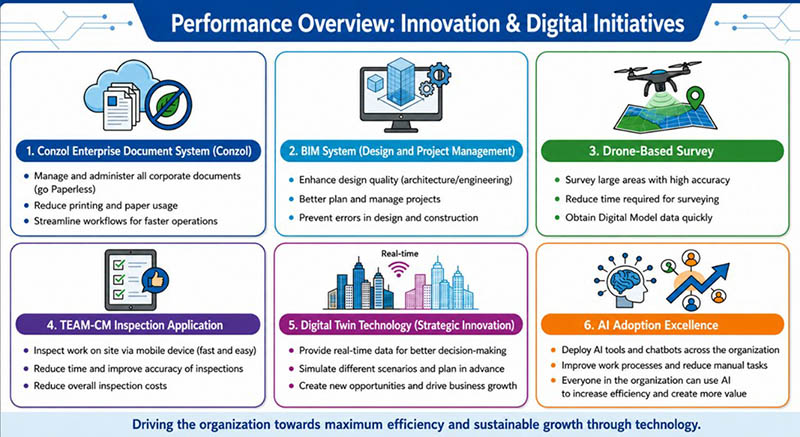
The Group operates under its Vision 2030 framework, integrating innovation and artificial intelligence (AI) as core elements of its business strategy to promote sustainability and establish a data-driven organization. Governance is overseen by dedicated committees focused on enhancing operational efficiency and reducing environmental impacts through the adoption of technologies such as Building Information Modeling (BIM), drones, and electronic document management systems. The Group has also established clear key performance indicators (KPIs) to monitor workforce skill development and return on investment, while maintaining robust cybersecurity management and data governance practices in accordance with international standards, including ISO/IEC 27001 and the Personal Data Protection Act (PDPA). Advanced threat-monitoring technologies and transparent critical incident reporting protocols have been implemented to strengthen cybersecurity resilience. In addition, the scope of risk management has been extended to encompass third parties, ensuring comprehensive, accountable, and auditable protection of personal data across all stakeholder groups.
Sustainable Business Practices (ESG)
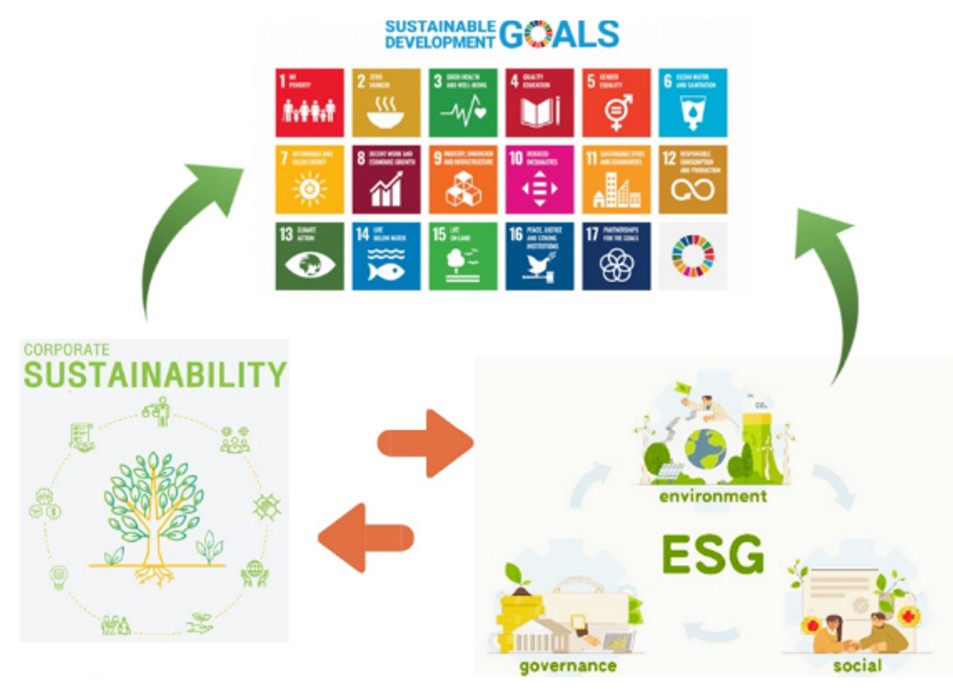
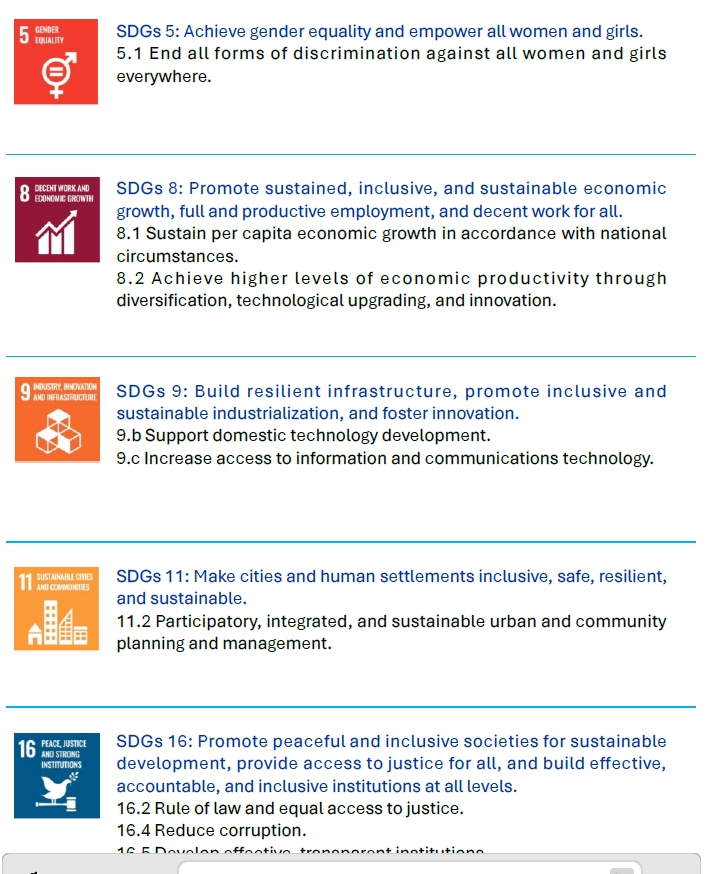
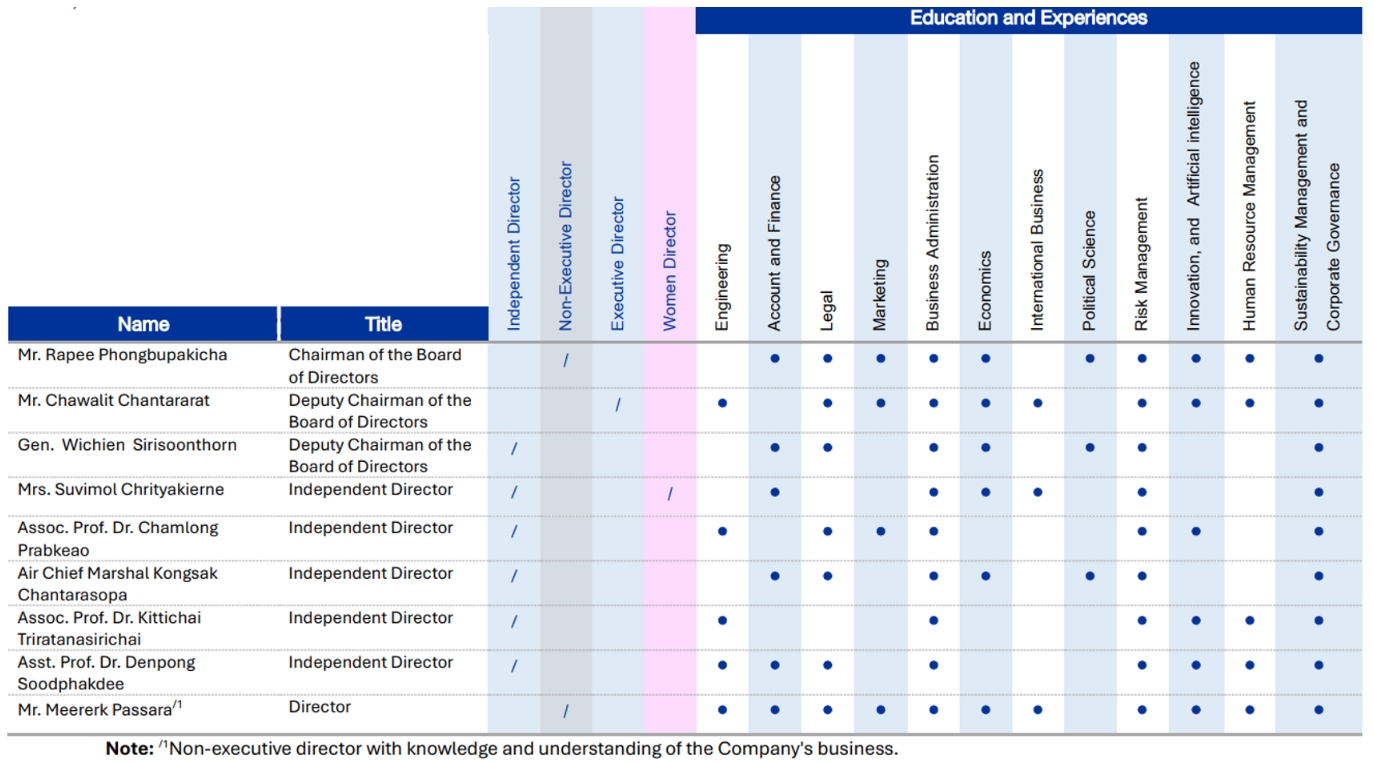
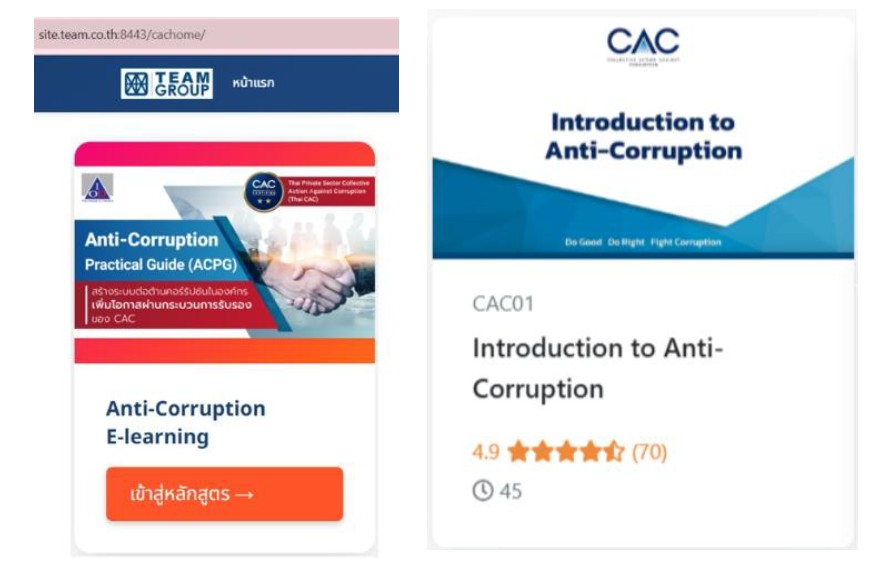
The organization has strengthened its corporate governance and risk management practices in a systematic manner in accordance with international standards. This includes establishing an appropriate board structure and ensuring strict compliance with applicable laws and regulations. Key objectives have been set to enhance transparency through more comprehensive disclosures regarding the Board of Directors, including directors’ expertise, external directorships, gender diversity, and remuneration details in line with international standards. In addition, the organization aims to improve country-by-country tax reporting disclosures to build greater confidence among stakeholders. With respect to anti-corruption and risk management, the organization is accelerating the development of verifiable evidence of employee training programs, expanding risk assessment mechanisms to cover business partners and subcontractors, and enhancing whistleblowing systems through clearly defined performance indicators. At the same time, ESG-related risks are being integrated into the responsibilities of the Board of Directors to ensure sustainable, accountable, and transparent business operations in accordance with the principles of good corporate governance.