
Performance results of Environment Dimension
Environment Dimension
Environmental Governance
The company has established a robust framework for environmental governance that aligns clearly with international standards. Our Board of Directors has approved a comprehensive environmental policy applicable across the entire organization and has appointed specialized working groups, such as the Energy Management Working Group and the Corporate Governance and Sustainability Working Group, to drive operations and ensure compliance with both legal requirements and our established objectives. The policy covers critical areas ranging from environmental risk assessment and the inspection of water supply and cooling systems to the annual review and improvement of operational practices. Furthermore, the company reinforces public transparency through its sustainability reports. Significantly, our greenhouse gas emissions and energy consumption data for 2024 and 2025 have been verified by independent third-party organizations—namely, BSI Group (Thailand) Co., Ltd. and TÜV NORD (Thailand) Ltd., respectively. The performance results are reported directly to senior management and the Board of Directors. 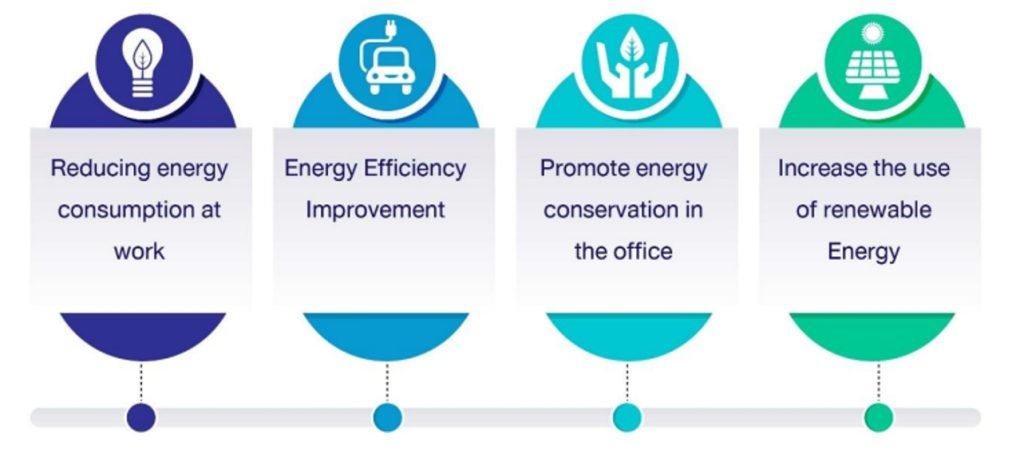
Climate Change and Net Zero Targets
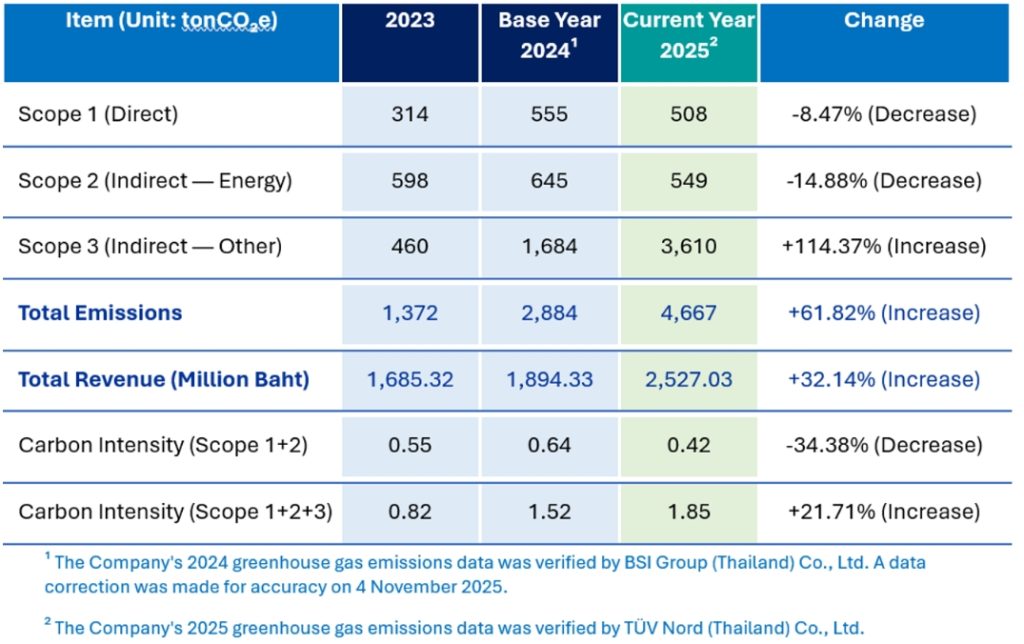
The Company has demonstrated its commitment to addressing climate change by setting a goal to achieve Net Zero greenhouse gas (GHG) emissions by 2050, using 2024 as the base year. The long-term target is to reduce GHG emissions by 90.0% across Scopes 1, 2, and 3, and to decrease Carbon Intensity (emissions per unit of revenue) by 99.5%. For the short-term goal, the Company aims to reduce total GHG emissions across all scopes by 12.0% by 2030. Regarding the 2025 performance, significant progress was observed in emissions under direct organizational control and indirect emissions from energy consumption. Scope 1 emissions decreased by 8.47% to 508 tons of carbon dioxide equivalent (tCO2e), while Scope 2 emissions declined by 14.88% to 549 tCO2e. Consequently, the Carbon Intensity for Scopes 1 and 2 showed a marked improvement, dropping from 0.64 to 0.42 tCO2e per million baht. These achievements are attributed to the investment in a 90.09 kWp solar rooftop PV system and the initial implementation of electric vehicles (EVs) to replace internal combustion engine vehicles.
Climate Change Adaptation
TEAMG has demonstrated significant commitment to climate change initiatives in alignment with international standards, such as TCFD and IFRS S2. The company maintains a robust governance structure, characterized by a clear division of responsibilities among specialized sub-committees and the integration of Climate KPIs into executive compensation to ensure measurable results. In terms of strategy, the organization conducts comprehensive climate scenario analyses covering both transition and physical risks. This proactive approach has translated into business opportunities through green engineering services that effectively address sustainability challenges. Furthermore, climate-related risks are fully integrated into the Enterprise Risk Management (ERM) framework, supported by the deployment of advanced technology for proactive risk management. The company upholds high standards of transparency by reporting Greenhouse Gas (GHG) emissions across all three scopes. It has also established clear short, medium, and long-term targets to achieve Net Zero emissions by 2050, adhering to best practices for driving the organization toward a low-carbon society in accordance with FTSE Russell criteria.
Energy and Water Efficiency
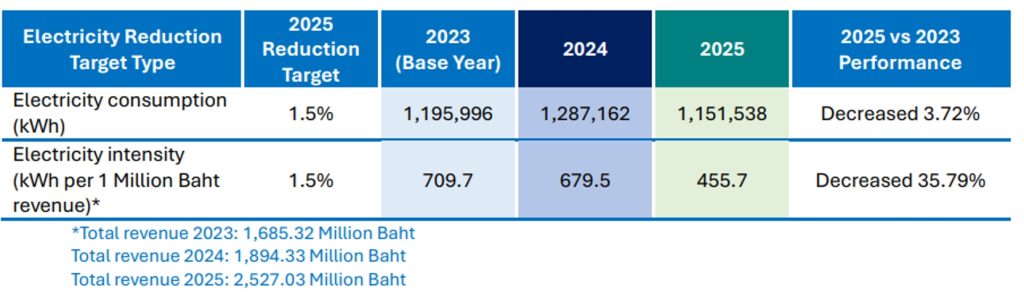
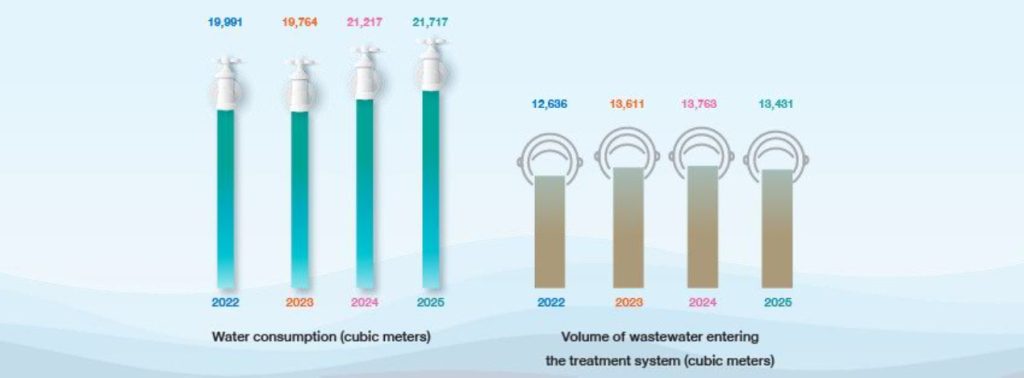
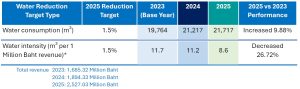
In terms of efficient resource management, the Company has achieved significant success in electricity management. In 2025, total electricity consumption, including renewable energy, amounted to 1,269,728 kWh. This represents a 3.72% decrease compared to the base year (2023) and a 10.54% decrease from the previous year. Furthermore, electricity intensity per total revenue declined by 35.79% to 455.7 kWh per million baht, successfully achieving both the 2025 target and the short-term goal for 2026, which was set at a 1.5% reduction. These achievements are attributed to the implementation of Smart Chiller technology in the building’s cooling system—in place since 2021—alongside an active campaign to turn off lights during lunch hours. Regarding water management, while water intensity per total revenue decreased by 26.72% to 8.6 cubic meters per million baht, reflecting improved efficiency relative to business growth, total water consumption increased by 9.88% from the base year to 21,717 cubic meters. This failed to meet the total water reduction target of 1.5%. To mitigate these impacts, the Company has implemented a biological wastewater treatment system using a Fixed Film Aeration System with a capacity of 100 cubic meters per day, and is currently executing a water recycling innovation project in collaboration with external partners.
Water Security
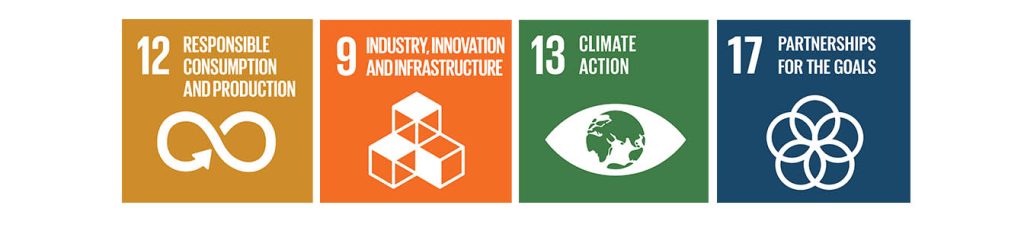
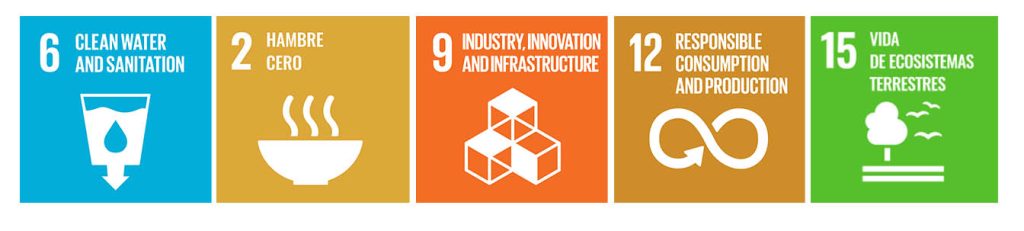
The company prioritizes water resource security by developing infrastructure to enhance water storage capacity, mitigate flooding, and provide essential water supplies for consumption, agriculture, and industrial use. These efforts are conducted in tandem with ecosystem conservation through rigorous water quality control and sediment management, aligning with the United Nations Sustainable Development Goal 6. To integrate these practices into its operational processes, the company has established clear key performance indicators to monitor success. These include measuring water quantity through the number of completed projects and the total area of agricultural land benefited, assessing water quality via the implementation of management systems and impact prevention measures, and evaluating overall management performance based on the percentage of projects that have successfully undergone environmental impact assessments and the effectiveness of meeting sustainable water cooperation targets.
Waste, Pollution & Supply Chain
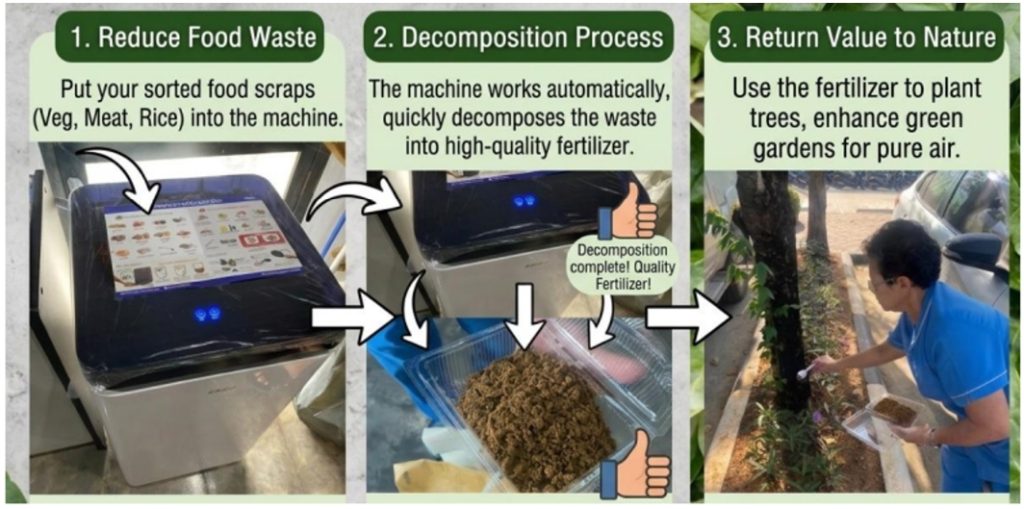
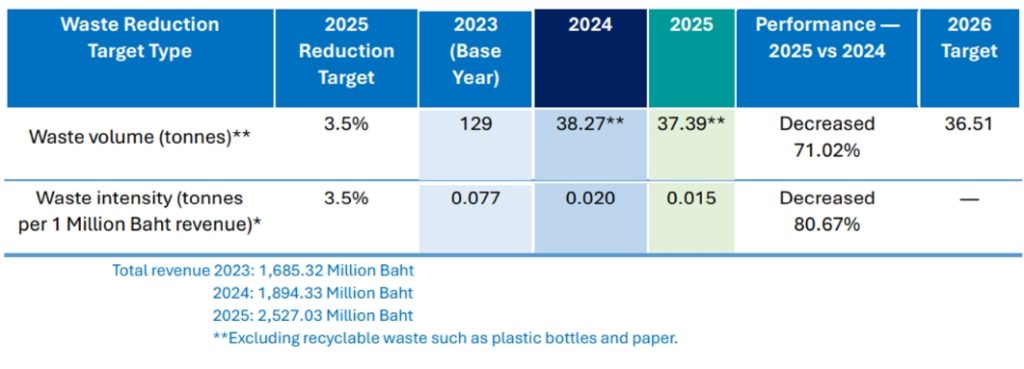
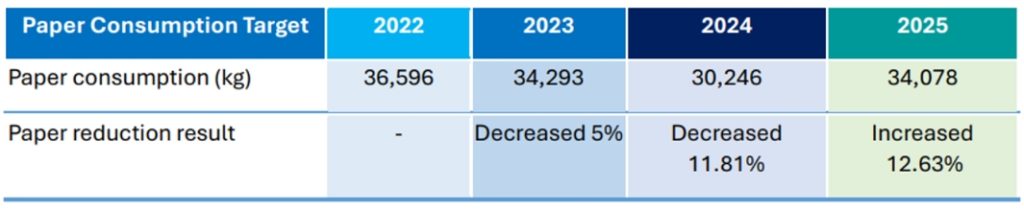
The company’s environmental performance in 2025 reflects an outstanding achievement in reducing corporate waste by 71.02% from the base year, effectively surpassing its 2030 long-term target through the implementation of a paperless policy and the management of organic waste using biotechnological solutions. However, the company is facing significant challenges within its supply chain, as evaluated by FTSE Russell criteria. The demand for paper resources has increased by 12.63% due to project expansion, resulting in a 114.37% surge in Scope 3 greenhouse gas emissions. This increase has become the primary factor driving up total greenhouse gas emissions and carbon intensity, deviating from the established targets. Since 97% of the company’s emissions are concentrated in the top five sources—of which 75% originate from Scope 3 activities, specifically the hiring of consultants and subcontractors, equipment procurement, and the use of machinery or drones—the company has prioritized the enhancement of its Green Procurement policy and the fostering of collaborations with partners throughout the value chain as its most critical strategies for driving the organization toward its Net Zero goal.
Biodiversity
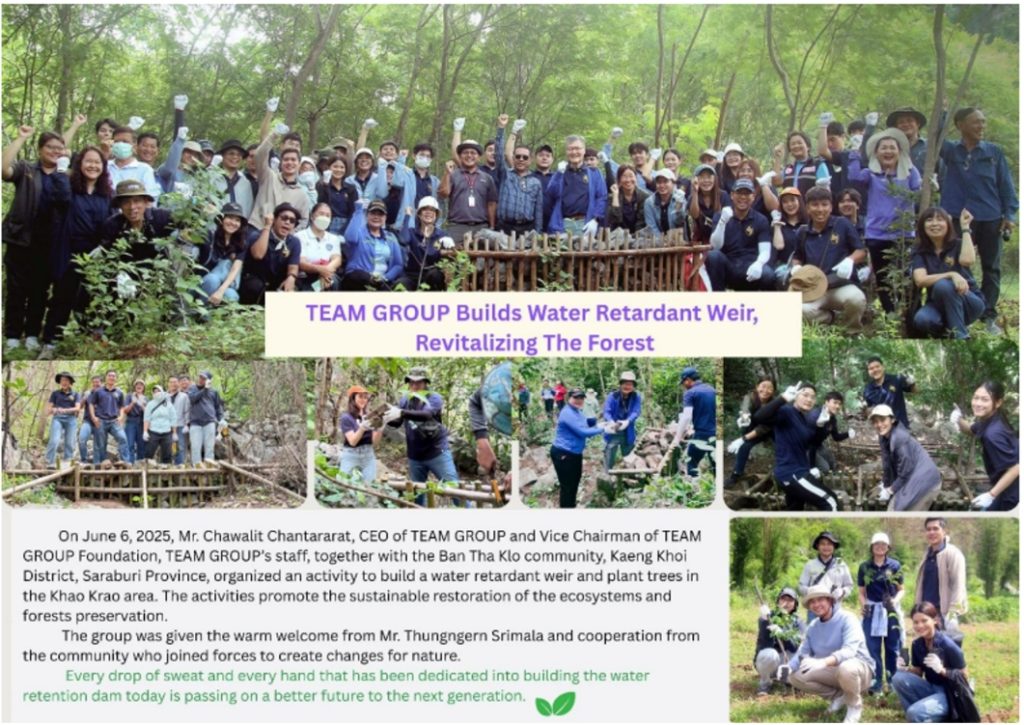
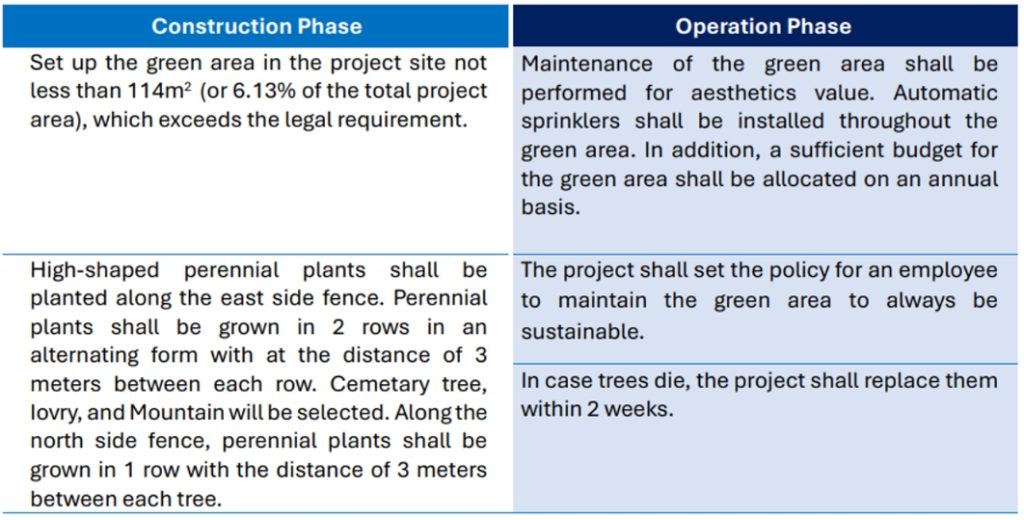
The company integrates biodiversity management into its ESG strategy by leveraging engineering expertise to rigorously assess ecological impacts through EIA and EHIA processes. Having successfully achieved its 2025 target, the company mandates that at least 5% of the total area in every EIA-regulated project be designated as green space. This commitment is further reinforced by ongoing, evidence-based initiatives for forest and coastal ecosystem restoration conducted in partnership with various stakeholders. Moreover, the company implements these concrete practices with its clients, as exemplified by the Kansai Power Plant project, which features 6.13% green space alongside comprehensive measures for tree maintenance and automated irrigation systems, ensuring long-term biological sustainability in alignment with international standards.
The company manages risks in accordance with FTSE Russell criteria to support SDG 15 by implementing specific measures across three business segments:
- Reservoirs: Constructing fish passes and modifying project designs to minimize forest area loss and impacts on aquatic life
- Highways: Designing wildlife underpasses/overpasses and installing protective fencing to reduce forest fragmentation and wildlife accidents
- Industrial Estates: Establishing a buffer zone of at least 5% of the total area and implementing high-efficiency wastewater treatment systems to prevent pollution
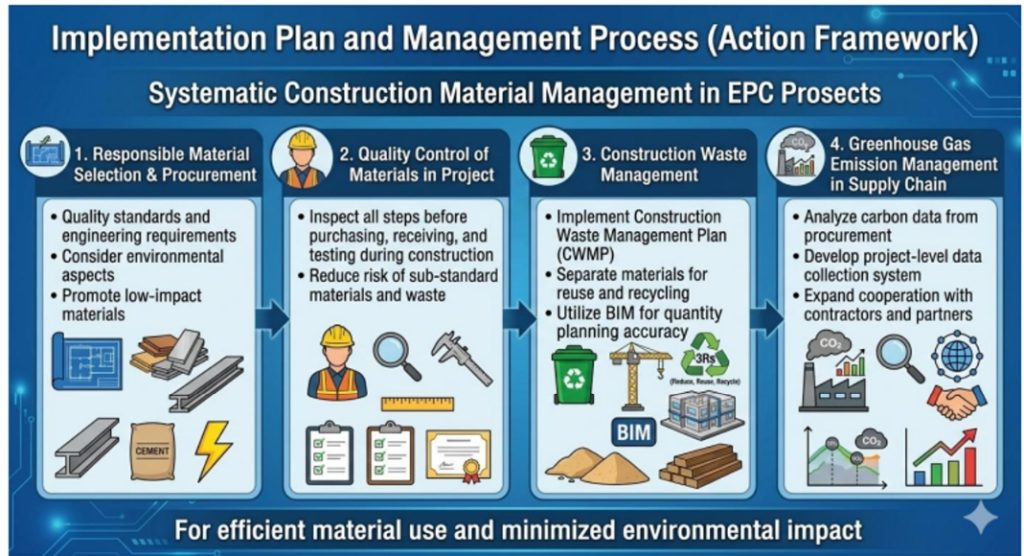
Responsible Raw Material Procurement
The company implements an end-to-end green supply chain strategy in its EPC business by integrating sustainability in alignment with the UN SDGs and FTSE Russell criteria. This is achieved through stringent procurement standards and the selection of partners based on environmental criteria to systematically manage raw material risks. Furthermore, the company has successfully utilized BIM technology to enhance resource efficiency and reduce construction waste by 25% in 2025, in accordance with the 3Rs principles. In addition, the company focuses on enhancing transparency through the collection of corporate and project-level greenhouse gas data. By collaborating with partners to develop their capabilities and establish concrete climate action measures, the company is driving environmentally friendly operations throughout the supply chain for long-term sustainability.